How to Know When Your Business Needs a Rebrand
A rebrand is often seen as a drastic step, something reserved for businesses in trouble or those looking for a dramatic change. In reality, most rebrands are not about reinvention, but realignment.
As businesses grow, they evolve. Services expand, audiences shift, and internal culture develops. When a brand no longer reflects that reality, it can begin to feel disconnected or restrictive.
This article explores the signs that a business may need a rebrand, and how a considered approach can help bring clarity and confidence without losing what already works.
Author
READ
Category
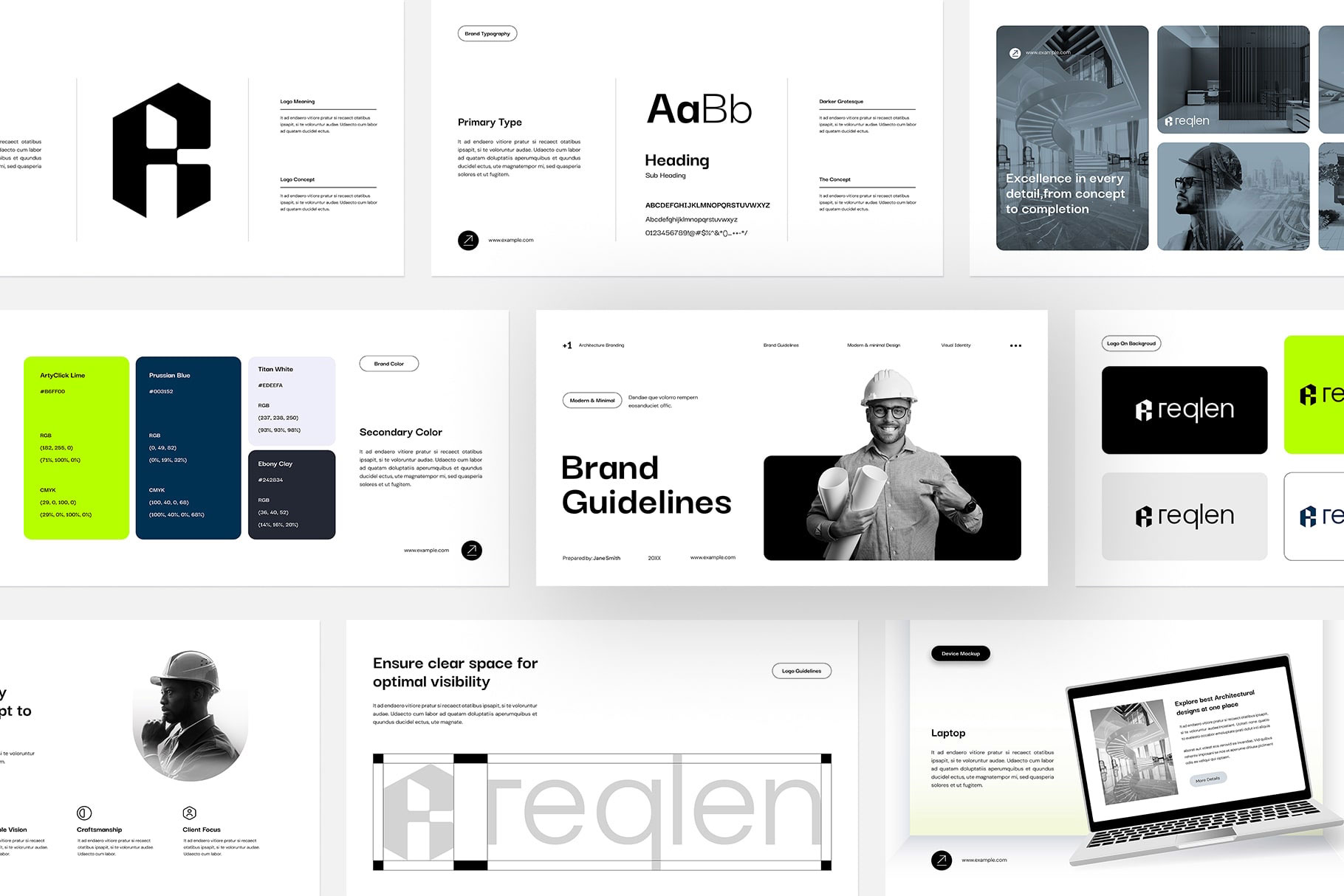
One of the clearest signs that a rebrand may be needed is misalignment. This happens when the brand no longer represents who the business is or where it is heading.
Common indicators include outdated visuals, unclear messaging, or a brand that feels rooted in an earlier stage of the business. What once felt appropriate can begin to feel limiting as ambition and capability increase.
For growing businesses, this misalignment often appears gradually. Teams may sense that something feels off, even if they struggle to articulate why. Over time, this disconnect can impact confidence, consistency, and how the business is perceived externally.
A rebrand in this context is not about erasing the past, but about creating a more accurate reflection of the present.


Another strong signal is inconsistency. As businesses grow, more people become involved in creating content, marketing materials, and communications. Without a clear brand framework, design and messaging can quickly become fragmented.
Inconsistent branding leads to confusion. Customers receive mixed signals about what the business stands for, while internal teams lack clear guidance. This can weaken recognition and reduce trust over time.
Missed opportunities often follow. Marketing becomes less effective, sales conversations take longer, and the brand struggles to support growth initiatives. Instead of acting as a foundation, the brand becomes a constraint.
A strategic rebrand brings structure and clarity, allowing the business to communicate more confidently and consistently across all touchpoints.

Rebranding should always be driven by strategy, not trends or aesthetics alone. The most successful rebrands are grounded in clear objectives and a deep understanding of the business and its audience.
Typical triggers include entering new markets, launching new services, targeting a different audience, or preparing for a new stage of growth. In these situations, a rebrand can help reposition the business and create alignment between ambition and perception.
If your brand feels like it is holding your business back rather than supporting it, that is often a sign that change is needed. A considered rebrand can bring clarity, strengthen trust, and create a platform for sustainable growth.
If this is something you’re thinking more seriously about, whether as a refinement or a full strategic exercise, get in touch to discuss how a clear, well-considered approach to branding can support your next stage of growth.