Why Brand Strategy Should Come Before Design
Design is often the most visible part of a brand, which is why many businesses start there. Logos, websites, and marketing materials feel tangible and immediate. However, without a clear strategy behind them, even the best design can fall short.
For growing businesses, jumping straight into design without first defining strategy can lead to inconsistency, confusion, and wasted investment. Design decisions made without context are harder to justify, harder to scale, and harder to maintain.
This article explores why brand strategy should come before design, and how a strategic foundation leads to clearer, more effective outcomes.
Author
READ
Category

Brand strategy provides the framework that guides every creative decision. It defines who the business is, who it is for, and how it should be positioned in the market.
This includes understanding target audiences, competitive context, brand values, and long-term objectives. Without this clarity, design becomes subjective. Decisions are based on personal preference rather than purpose, making it difficult to align stakeholders or measure success.
For growing businesses, strategy helps prioritise. It ensures that design supports business goals rather than simply reflecting trends or individual tastes. When strategy leads, design has direction.
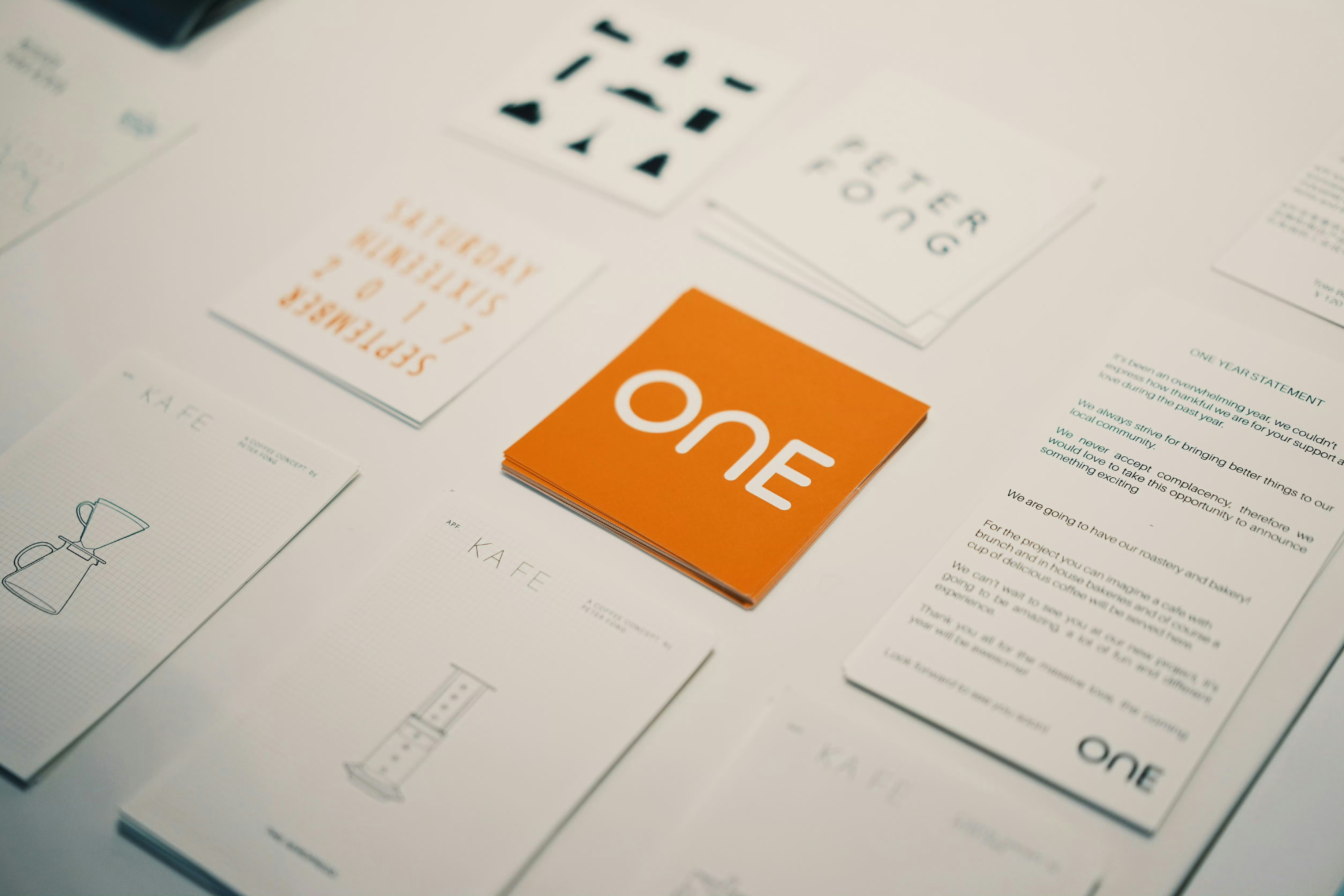

When design work begins without a strategic foundation, inconsistency often follows. Visual styles may change from project to project, messaging may shift across channels, and the brand can start to feel fragmented.
This fragmentation is rarely intentional. It tends to emerge as teams grow and new materials are created without a shared reference point. Over time, the brand becomes harder to recognise and harder to manage.
A clear brand strategy prevents this by establishing principles that guide design decisions. It creates alignment across teams and touchpoints, allowing creativity to flourish within a defined framework rather than operating in isolation.

When strategy comes first, design becomes more purposeful. Visual identity, website design, and marketing materials are all shaped by a clear understanding of what the brand needs to communicate and how it should be experienced.
This leads to more confident decisions, stronger consistency, and better long-term outcomes. Design work becomes easier to evaluate because it can be measured against strategic objectives rather than personal opinion.
If your brand visuals look good but lack clarity or cohesion, it may be a sign that strategy has been overlooked. Taking time to define your brand strategy can unlock more effective design and create a stronger foundation for growth.
If this is something you’re thinking more seriously about, whether as a refinement or a full strategic exercise, get in touch to discuss how a clear, well-considered brand strategy can support your next stage of growth.